

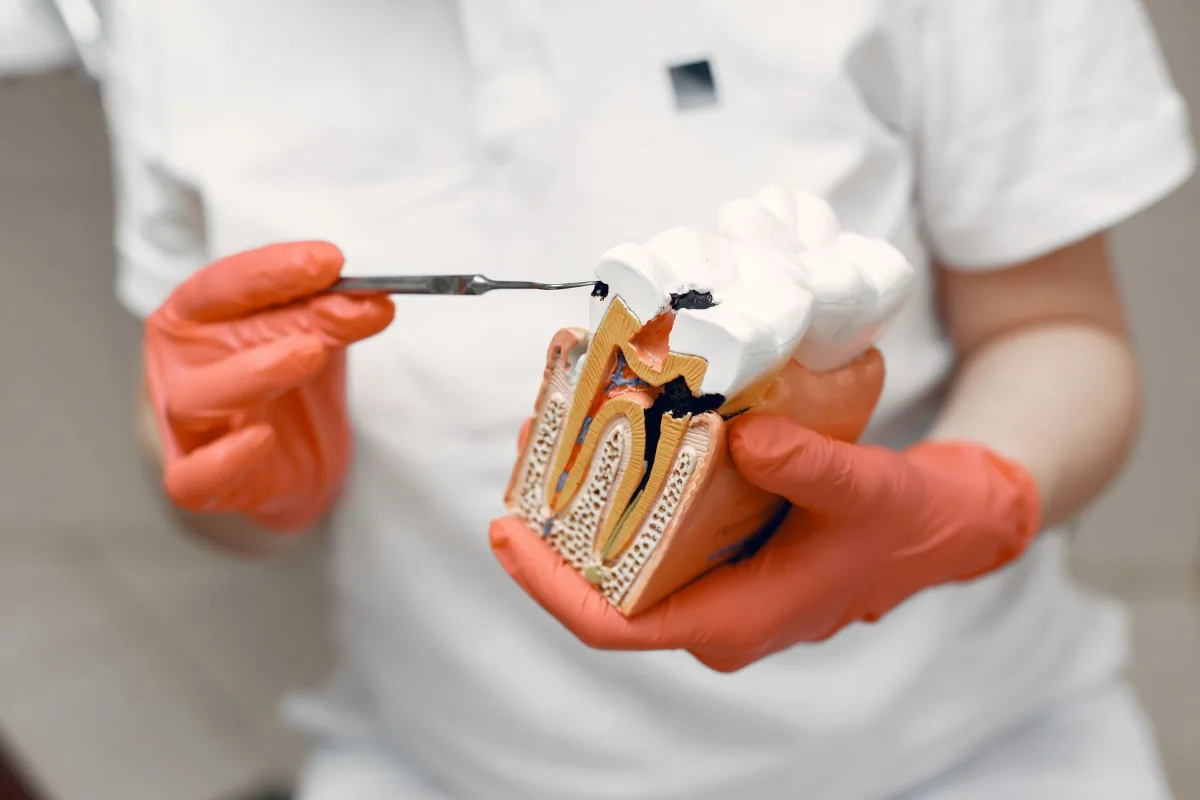
Brushing twice a day removes surface plaque, but it will not completely prevent tooth decay if other conditions are present. Cavities form because of bacteria in deep crevices, an acidic mouth, diet, and low saliva production. When the breakdown of tooth enamel outpaces its ability to remineralize, damage occurs. At this point, treatments like dental fillings in Livonia, MI are needed to restore the tooth’s function.
Oral hygiene is important, but it addresses only one part of the process. Understanding why decay persists requires a close look at how bacteria, saliva, and enamel interact beneath the surface.
Understanding the Mechanisms of Tooth Decay
Tooth decay starts because certain bacteria in the mouth act upon carbohydrates in food or drink. These bacteria release acids that demineralize your teeth. Although brushing removes plaque from the smooth surfaces of your teeth, it cannot reach bacteria hiding in microscopic grooves.
Your saliva is your mouth’s first line of defense against acids. Saliva helps neutralize acids and supplies your enamel with calcium and phosphate. If there is less saliva in the mouth or too much acid, demineralization happens faster than remineralization.
Key Factors That Increase Cavity Risk
Several hidden daily factors can compromise your enamel, even with a consistent brushing routine:
- Plaque Retention in Microscopic Grooves: Deep molar fissures naturally trap fine food particles and bacteria beyond the reach of toothbrush bristles.
- Frequent Carbohydrate Exposure: Snacking frequently keeps acid levels elevated, which prevents enamel from completing its natural mineral recovery cycle.
- Inadequate Interdental Cleaning: Brushing alone misses the surfaces between teeth, allowing bacteria to grow between adjacent teeth.
- Reduced Salivary Flow: Medications, dehydration, and certain health conditions reduce saliva, leaving enamel vulnerable to continuous acid exposure.
- Subtle Structural Defects: Natural variations in enamel can reduce its resistance to routine acid attacks over time.
How to Stop Getting Cavities
A few targeted habits can make a big difference alongside brushing:
- Clean between your teeth every day with floss or interdental brushes.
- Limit snacking and sipping sugary or acidic drinks between meals.
- Drink water often, especially after eating, to support saliva flow.
- Use fluoride toothpaste and ask about professional fluoride treatments.
- Ask your dentist whether sealants could protect deep grooves in your molars.
Long-Term Benefits of Comprehensive Preventive Care
Addressing cavity risk factors through structured preventive habits protects your long-term oral health:
- Preservation of Natural Tooth Structure: Early risk management prevents extensive damage and reduces the need for more invasive restorative procedures.
- Enhanced Protection for Vulnerable Enamel: Targeted fluoride applications and dental sealants help protect deep grooves against bacterial acid.
- Balanced Oral Environment: Consistent interdental care and acid management help maintain a healthier balance of oral bacteria.
- Improved Overall Oral Comfort: Preventing recurrent decay lowers the likelihood of tooth sensitivity, discomfort, and sudden fractures.
Getting Professional Guidance
Controlling tooth decay works best with guidance tailored to your personal risk factors. An assessment by an experienced dentist in Livonia, MI can identify early decay before it causes significant damage to the tooth.
Diagnostic tools such as digital X-rays and careful surface examination can detect demineralization early. Keeping a routine examination schedule at a dental office near you ensures that diet, dry mouth concerns, and oral hygiene habits are reviewed regularly.
Protecting Your Smile With Majestic Dentist
Understanding your personal risk factors for cavities is the first step toward lasting oral health. While regular home brushing is vital, personalized professional guidance helps protect vulnerable areas and keep your enamel strong. If you have questions about your oral hygiene routine or want to address recurring decay, contact Majestic Dentist today to schedule a comprehensive evaluation.
FAQs
Why do I keep getting cavities even though I brush?
Brushing removes surface bacteria, but it cannot reach narrow grooves or the spaces between teeth. Low saliva, frequent snacking, acidic foods, or naturally weaker enamel can also contribute to decay.
Why do I get so many cavities if I brush twice a day?
Brushing twice a day may not remove plaque between teeth or in deep grooves. Frequent carbohydrate intake, dry mouth, or an acidic environment can also lead to cavities despite regular brushing.
How do I stop getting cavities?
Floss daily, drink plenty of water, limit sweets and snacking, and use fluoride products. Professional cleanings and regular exams help catch early enamel changes.
Can deep tooth grooves cause cavities despite good brushing habits?
Yes. Some teeth have very narrow fissures that toothbrush bristles cannot reach. Dental sealants are often recommended to help protect these areas.