

A molar is the workhorse of your mouth – as they are located at the back of your jaw, these teeth handle activities like heavy lifting, chewing, and grinding food. Because they hold a significant biting force, often up to 200 pounds of pressure, any restoration applied to them must be exceptionally tough.
When a molar becomes cracked or weakened by a large filling, choosing high-quality dental crowns near you is a vital step in preserving your oral function and preventing tooth loss.
While many patients focus on the look of their front teeth, the structural integrity of the back teeth is what sustains a balanced bite. A molar that lacks proper support can lead to shifting teeth and jaw pain.
By understanding the materials behind modern molar restorations, you can ensure your dental health remains stable for decades.
Why Do Molars Require Specific Materials?
Not all materials are created equal. A molar crown must prioritize fracture resistance and wear compatibility over simple aesthetics.
- Zirconia: Often called “ceramic steel,” this material is virtually indestructible and can withstand extreme grinding forces.
- Gold and Metal Alloys: These are the gold standard for durability. They require the least amount of tooth removal and are very gentle on opposing natural teeth.
- Porcelain-Fused-to-Metal (PFM): This provides a metal substructure for strength with a tooth-colored exterior for a natural look.
- E-max (Lithium Disilicate): While beautiful, these are typically reserved for teeth that don’t face the highest chewing pressures.
Is There A Difference Between A Tooth Cap Vs Crown?
When researching restorations, you might encounter different terms. Many patients ask about the distinction between a tooth cap vs crown.
In the clinical world, these terms mean the same thing. Both refer to a custom-fitted restoration that completely covers the visible portion of the tooth above the gum line.
The primary goal of this “cap” is to act as a protective helmet. By encircling the tooth, the restoration distributes biting forces evenly, preventing the tooth from splitting under pressure.
Whether you call it a cap or a crown, the purpose is to restore the tooth to its original size, shape, and strength.
How Does The Fabrication Process Ensure A Perfect Fit?
The longevity of a molar restoration depends heavily on its fit. Even a microscopic gap can allow bacteria to seep underneath. When you receive dental crowns in Livonia, the process uses high-precision technology to ensure a seamless seal.
- Digital Impressions – Modern scanners create a precise 3D map of your mouth, replacing messy putty.
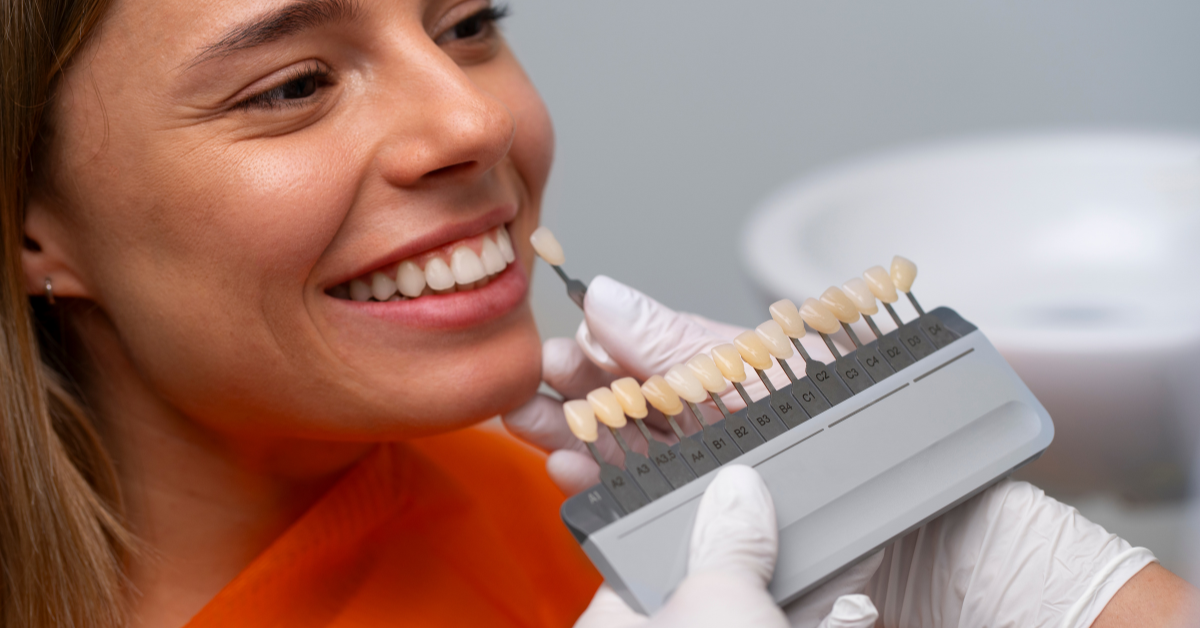
- Custom Shading – Even back teeth are matched to your natural enamel for a cohesive look.
- Marginal Integrity – The “seal” at the gum line is carefully inspected to prevent plaque buildup.
- Occlusal Adjustment – The dentist fine-tunes the height to meet your opposing teeth perfectly, avoiding “high spots” that cause pain.
What Factors Influence The Lifespan Of A Molar Restoration?
While the material is important, how you treat your restoration determines if it lasts five years or twenty-five.
- Bruxism Management – If you grind your teeth at night, a custom nightguard is essential to protect the crown.
- Oral Hygiene – You cannot get a cavity in a crown, but the natural tooth underneath is still vulnerable at the gum line.
- Dietary Habits – Avoiding extremely hard objects, such as ice or unpopped kernels, helps prevent structural fractures.
- Regular Maintenance – Professional cleanings allow your team to assess the integrity of the cement and the health of your gums.
What Are The Functional Benefits Of Timely Restoration?
Delaying a crown often leads to a “domino effect.” When a molar is too painful to use, patients shift chewing to the other side, causing uneven wear and potential jaw issues.
- Bite Alignment – A crown restores the proper height of your bite.
- Tooth Preservation – It prevents the need for invasive extractions or implants.
- Comfort – It eliminates the “zing” felt when cold food hits a cracked tooth.
- Efficiency – It allows you to maintain a healthy, varied diet without restriction.
Preserving Your Foundation for the Future
A strong set of molars is the foundation of a healthy smile. By choosing a restoration that balances durability with precision, you ensure your bite remains strong and your natural teeth are protected.
Modern technology makes it easier than ever to achieve a result that is both resilient and natural-looking.
At Majestic Dentistry, we specialize in high-quality restorations tailored to your needs. Our team uses the best materials and techniques to ensure your smile remains comfortable. We take the time to evaluate your bite and recommend the most durable solutions.
If your back teeth need extra support, we are here to help. Contact us today to schedule your consultation and take the first step toward a stronger smile.
FAQs
How long should a crown on a molar last?
On average, a well-maintained molar crown lasts 10 to 15 years, though zirconia or gold options can often last much longer with excellent care.
Is the procedure for getting a crown painful?
The tooth is thoroughly numbed during the process; most patients feel only mild pressure and describe the recovery as similar to a standard filling.
Can I eat normally with a molar crown?
Once the permanent crown is cemented and the anesthesia wears off, you can return to a normal diet, though you should avoid sticky foods for the first 24 hours.
What happens if a crown falls off?
Keep the crown and contact your dentist immediately. If the underlying tooth is still healthy, the crown can often be cleaned and re-cemented.