

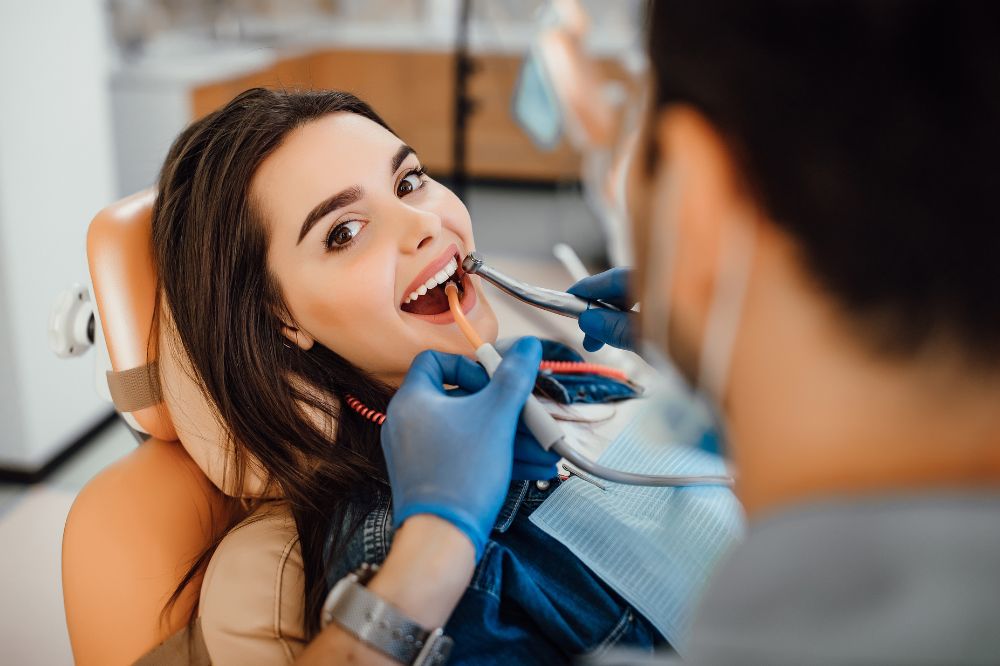
When you sit back in the dental chair, it might feel like the professional is just poking around your teeth for a few minutes. However, a lot more is happening than you might realize. A dental checkup is a detailed investigation into your overall health, not just a search for cavities. Finding a trusted dental clinic near you is the best way to make sure that nothing is missed during these important health screenings. Your dental team is trained to see things that you cannot see in your own bathroom mirror. They are looking for early signs of trouble that, if caught now, can save you from pain and expensive treatments later. It is a simple step that keeps your smile strong and your whole body healthy.
The hidden details of a dental checkup
During oral examinations in Livonia, the process is broken down into several key areas. While the teeth are certainly important, the dentist is also checking the “foundation” of your mouth. This includes your gums, your tongue, the roof of your mouth, and even your jaw joints. One of the first things a professional looks for is the health of your gums. They look for redness, swelling, or “pockets” where the gum has pulled away from the tooth. Healthy gums are pink and firm. They act like a tight seal to keep germs away from your tooth roots. If the gums are struggling, it can sometimes be an early warning sign for other health issues like heart disease.
Looking beyond the teeth
When you receive an oral examination near you, the dentist near you is also performing a quick screening for oral cancer. This involves feeling the tissues of your mouth, neck, and throat for any unusual lumps, bumps, or sores that won’t heal. This part of the exam is very fast, but it is one of the most important things a dentist does because finding things early makes them much easier to treat. They also examine how your top and bottom teeth fit together when you close your mouth, known as your “bite.” Worn-down teeth in specific areas may suggest that you are grinding your teeth at night, in your sleep. If the dentist can catch these patterns early on, he can recommend a soft nightguard to protect you from cracking.
Frequency and the role of technology
A very common question patients ask is, “How often should I have an oral exam?” For most people, the best answer is every six months. This timeframe is chosen because it is usually long enough for small issues to appear but short enough to catch them before they become big, painful problems. If you have a history of gum issues, your provider might suggest coming in a bit more often. Technology also plays a big part in what the dentist sees. You might wonder: Do I need X-rays at every dental exam? Not always. While X-rays are great for seeing what is happening between teeth and under the gumline, they aren’t always needed twice a year. Your dentist will decide based on your age and how healthy your teeth have been in the past. Usually, a full set of pictures is taken every few years to keep an eye on things.
What does the dentist check for?
- Cavities: Dental experts look for any soft spots or holes in the tooth enamel, which indicate a cavity.
- Gum Health: Checking for bleeding or signs that the gums are shrinking.
- Old Dental Work: Making sure old fillings and crowns are still strong.
- Plaque and Tartar: Finding the spots you might be missing when you brush.
- Oral Cancer: Scanning the tongue and cheeks for any changes.
- Jaw Function: Checking for clicks or pain in the jaw joint.
The connection between your mouth and your body
The mouth is often called the “window to the rest of the body.” Many health issues show their first signs in the mouth. For example, certain gum infections can be linked to your heart health. By keeping your mouth clean and having regular exams, you are actually taking care of your heart and your immune system, too. If your dentist notices a sudden change in your gums or an unusual dryness in your mouth, they might suggest you visit your family doctor. They aren’t just “tooth doctors”—they are an essential part of your whole health care team.
Making the most of your visit
To get the most out of your exam, it is a good idea to be honest with your dental team. If you have noticed a slight pain when drinking cold water or a spot that bleeds when you floss, let them know. No detail is too small. Even if a tooth only hurts once in a while, it could be a sign of a tiny crack that needs a simple fix before the tooth breaks. Never hesitate to reach out to a dentist for any queries or concerns. If it’s been a while since your last visit, don’t let that restrict you from going to them. The aim is to regain your health so you can indulge in your preferred delicacies while beaming with assurance.
A Healthier Future Starts with a Simple Checkup
A dental exam is a small investment of time that helps you stay healthy for life. By staying consistent with your checkups, you make sure that your teeth stay strong and your gums stay healthy. Modern dentistry is all about stopping problems before they start, and a thorough exam is the best tool we have. When you know what your dentist is looking for, you can see that every checkup is a step toward a brighter, healthier future. At Majestic Dentist, we believe that a healthy smile is a big part of a happy life. Our team is dedicated to providing kind and gentle care to every patient. We take the time to explain what we see and answer every question so you feel comfortable and informed. Whether it has been six months or a few years since your last visit, we are here to support you with expert care and a friendly smile. Let us help you keep your smile in great shape at our welcoming office.
Frequently Asked Questions
Is a dental exam the same as a cleaning?
No, they are two different parts of your visit. A cleaning is done to remove the hard buildup on your teeth. An exam is done by the dentist to check for diseases, look for cavities, and make a plan to keep your mouth healthy.
Why does the dentist poke my gums with a tiny tool?
That tool has a small ruler on it to measure the space between your tooth and gum. If the space is too deep, it means bacteria are hiding where a toothbrush cannot reach. It is a very important way to check for gum disease.
Can I skip an exam if my teeth don’t hurt?
It is best not to skip. Most dental problems, like small cavities and gum disease, do not hurt until they are very bad. An exam catches these issues while they are still small and very easy to fix.
What if I feel a little nervous about the exam?
Please tell your dental team! We help nervous patients every single day and have many ways to make you feel at ease. Understanding that the exam is just a simple check of your mouth often helps people feel much more relaxed.