

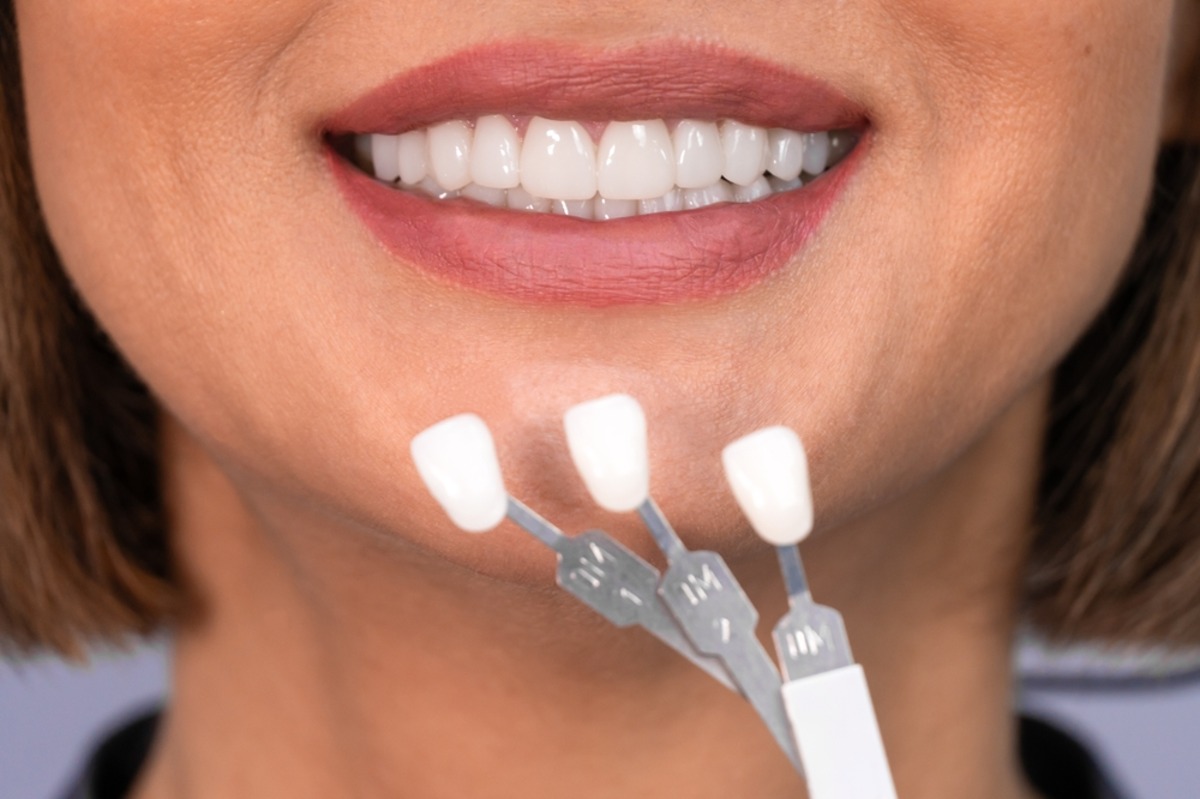
Dental veneers can help improve teeth that are chipped, stained, or uneven. However, they can still crack or chip. Biting hard foods, grinding your teeth, or getting hit in the mouth can damage them. The chance of damage also depends on the material, how well the veneers fit, and the health of your natural teeth. If you are considering dental veneers in Livonia, MI, it is helpful to know what can harm them and how to care for them. Brushing daily, following your dentist’s advice, and getting regular dental checkups can help protect your veneers and keep them looking their best.
Knowing what to watch for can also help you act early if a veneer becomes damaged.
What Causes Veneers to Crack or Chip?
The answer to why veneers crack or chip often comes down to pressure, injury, or wear. Veneers are designed to withstand normal biting, but excessive force can damage them.
Common causes include:
- Biting hard foods: Ice, hard candy, and unpopped popcorn kernels can put too much pressure on a veneer.
- Using teeth as tools: Opening packages or biting fingernails can strain the edges of veneers.
- Teeth grinding: Clenching or grinding can place repeated pressure on veneers, especially while sleeping.
- Accidents or injuries: A fall, sports injury, or blow to the mouth may chip or crack a veneer.
- An uneven bite: If some teeth take more pressure than others, a veneer may be more likely to break.
- Wear or fitting problems: A veneer that does not fit well or has a weak edge is more likely to be damaged.
Why Do Dental Veneers Crack or Chip?
Understanding why dental veneers crack or chip can help you spot risks before damage occurs. The type of veneer matters, too. Porcelain veneers are strong and resist stains, but they can chip or crack under heavy force. Composite resin veneers can also chip and may wear more quickly, although small areas of damage can sometimes be repaired.
The tooth under the veneer needs to be healthy. If it has a cavity, a crack, or a large filling, it may not be strong enough to hold the veneer. Grinding your teeth or putting too much pressure on them can also increase the chance of damage.
A dentist in Livonia, MI can check your bite, the edges of your veneers, and the health of the teeth beneath them. This can help identify problems that may need attention.
What Are the Signs of a Damaged Veneer?
A damaged veneer may not always cause pain. Look for these signs:
- A rough or sharp edge you can feel with your tongue.
- A small piece missing from the veneer.
- A visible line or crack on the surface.
- New sensitivity to hot, cold, or sweet foods.
- A change in how your teeth meet when you bite.
- A veneer that feels loose or moves.
If you notice any of these changes, contact a dental office near you. Avoid biting hard foods with the affected tooth until it has been checked. Do not try to file, glue, or repair the veneer at home.
How Can You Prevent Veneers from Cracking or Chipping?
Knowing how to prevent veneers from cracking or chipping starts with daily habits that reduce pressure and protect your teeth.
- Choose softer foods when needed: Avoid chewing ice, hard sweets, and other foods that could break the veneer.
- Do not use your teeth as tools: Use scissors or a package opener instead of biting packaging.
- Ask about a night guard: If you grind or clench your teeth, your dentist may suggest a custom guard to protect your teeth while you sleep.
- Wear a mouthguard during sports: A well-fitting one can help protect your teeth from injury.
- Keep your teeth clean: Brush twice a day with fluoride toothpaste and clean between your teeth every day.
- Attend regular checkups: Dental visits can help identify wear, bite problems, or damage before it becomes more serious.
These habits can lower the risk of damage, but they cannot prevent every chip or crack.
What Should You Do if a Veneer Chips or Cracks?
If a veneer becomes damaged, arrange a dental visit. Even a small chip may leave a rough edge or affect how the veneer fits. If a piece breaks off, keep it in a clean container and bring it to your appointment.
The right treatment depends on the size and location of the damage. A small chip may be smoothed or repaired with suitable material. More serious damage may require replacing the veneer. If the tooth underneath is also damaged, that problem may need treatment first.
Avoid chewing on the affected tooth, and do not use household glue to attach a broken piece. If you have severe pain, swelling, or a dental injury, seek prompt care.
Keep Your Veneers in Good Shape!
Dental veneers can remain attractive with careful use and regular dental care, but damage can happen. Majestic Dentist can examine your veneers, discuss any concerns, and help you understand the available care or repair options. Book your appointment to take the next step toward protecting your smile.
FAQs
Can a cracked veneer be repaired without replacing it?
Sometimes. A small chip may be smoothed or repaired, depending on the material and location of the damage. A larger crack may require a new veneer.
Can grinding your teeth damage veneers without causing pain?
Yes. Grinding your teeth puts repeated pressure on veneers and can cause them to chip or crack over time, even if you feel no pain. A dentist can check for signs of grinding and explain how to protect your teeth and veneers.
Does a chipped veneer mean the tooth underneath is damaged?
Not always. However, the tooth underneath should be checked because it may have a crack, decay, or another problem that needs treatment.
Are porcelain veneers less likely to chip than composite veneers?
Porcelain is strong and resists stains, while composite resin may be easier to repair if it chips. Both materials can become damaged by heavy pressure or injury.